

Educational activities

Education is the most effective mean for changing our culture and habits, as well as for promoting environmental democracy. We focus on this field because we believe that future generations play a special role in efforts to protect our seas.

To date, nearly 12,000 students have attended the organization’s educational programs, which has visited 55 different municipalities across Greece and 130 educational institutions. The workshops have been carried out in kindergartens (1%), primary schools (57%), high schools (22%), lyceums (17%), and universities (4%). The evaluation of the educational programs by the teaching community is considered extremely encouraging. Data show that more than 98% of the schools visited by Aegean Rebreath rated the organization of the educational programs, the teaching methods, the content, the presence and the effectiveness of the educational team as very good to excellent.

Educational Institutions
0
Municipalities
0

Our educational work is based on four main pillars and thematic areas:

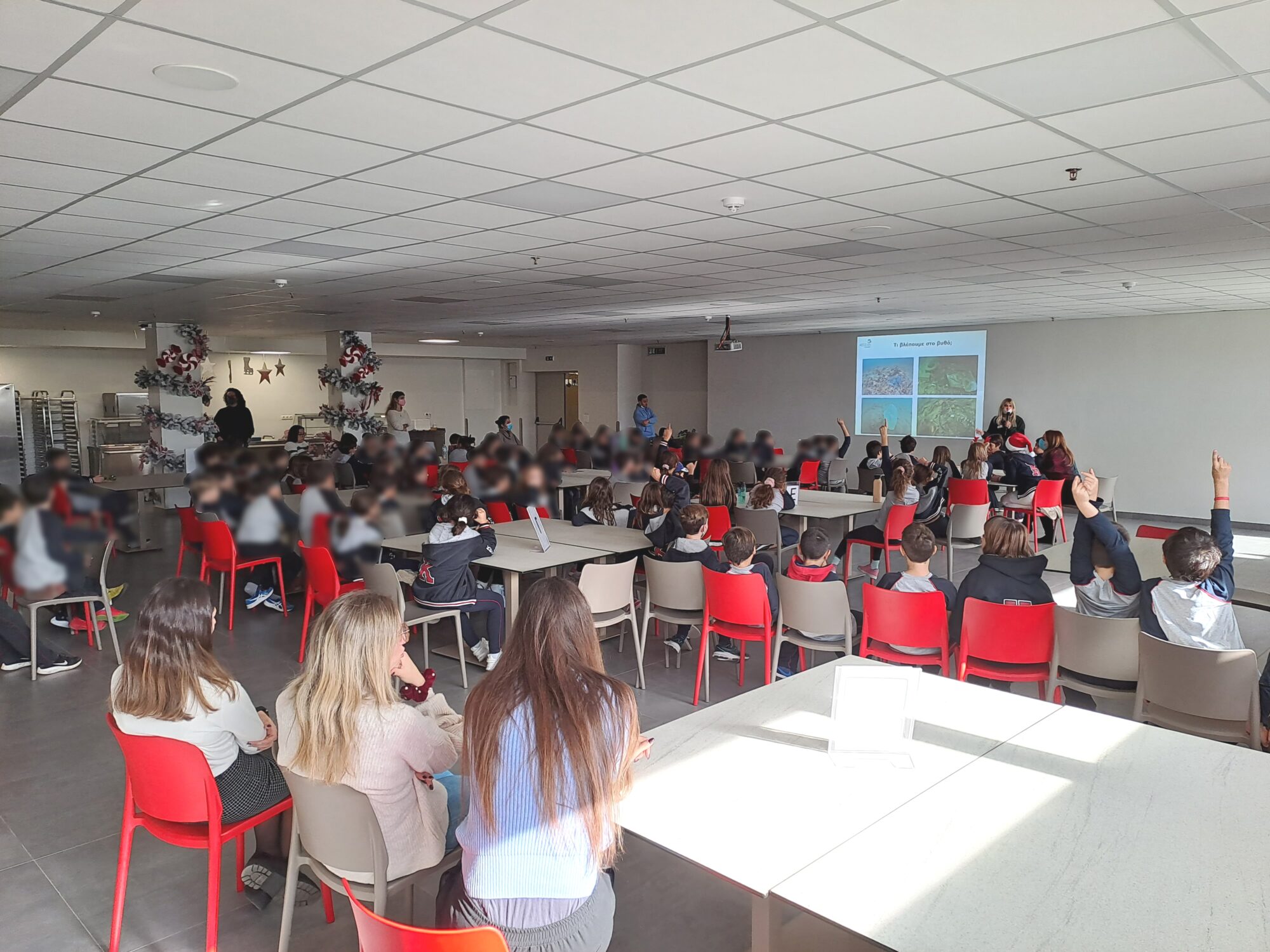
Presentations in schools of different educational levels across Greece

Through the education of students, we aim to inform younger generations about the scale and main causes of marine pollution, always emphasizing the message that solutions exist for the protection of the marine environment. Within this framework, we have adopted a specific methodology to help students learn about climate change, the need to change consumer habits, the causes and the impact of marine pollution, as well as to develop their own ideas on how to contribute to environmental protection, with the prospect of turning these ideas into reality through the implementation of mini projects in their schools. We place strong emphasis on individual responsibility and active participation.

A van for research and technology

With the support of Inditex, we have developed a mobile unit that includes all the technological and research tools we use in field operations. With this mobile unit, we visit schools, aiming to communicate to children the importance of innovation, research and technology in addressing marine pollution.

Student focus groups

This innovative initiative is implemented in schools of municipalities participating in the Blue Municipalities Network. Students are divided into groups and respond to questionnaires aimed at identifying problems at the local level, activities that students could develop to protect the coastal and marine environment and proposals for addressing these issues. These proposals are submitted to municipal authorities with the aim of incorporating them into each municipality’s policies. This practice represents the most representative example of environmental democracy and seeks to promote the active participation of students.

Experiential workshops

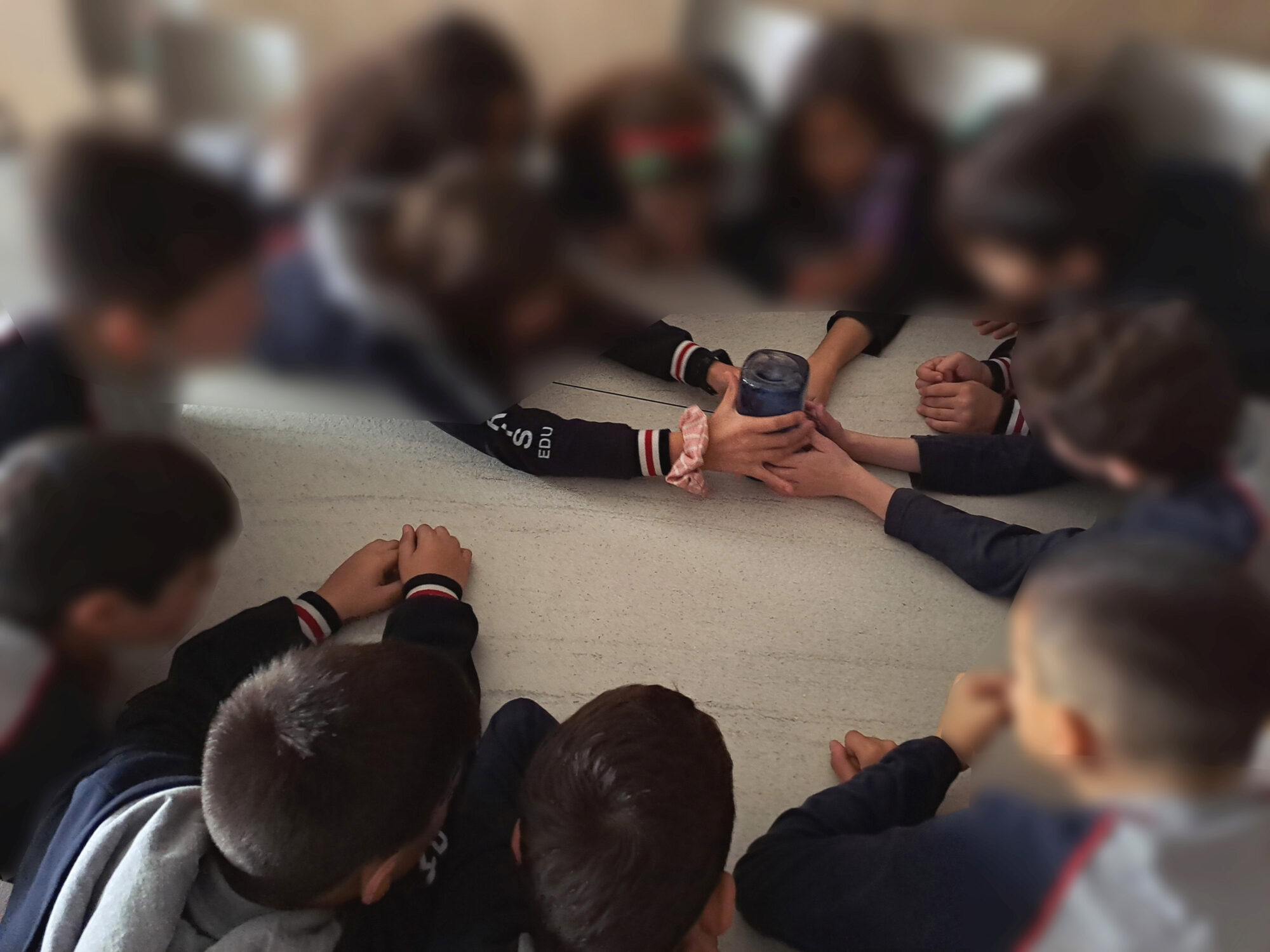
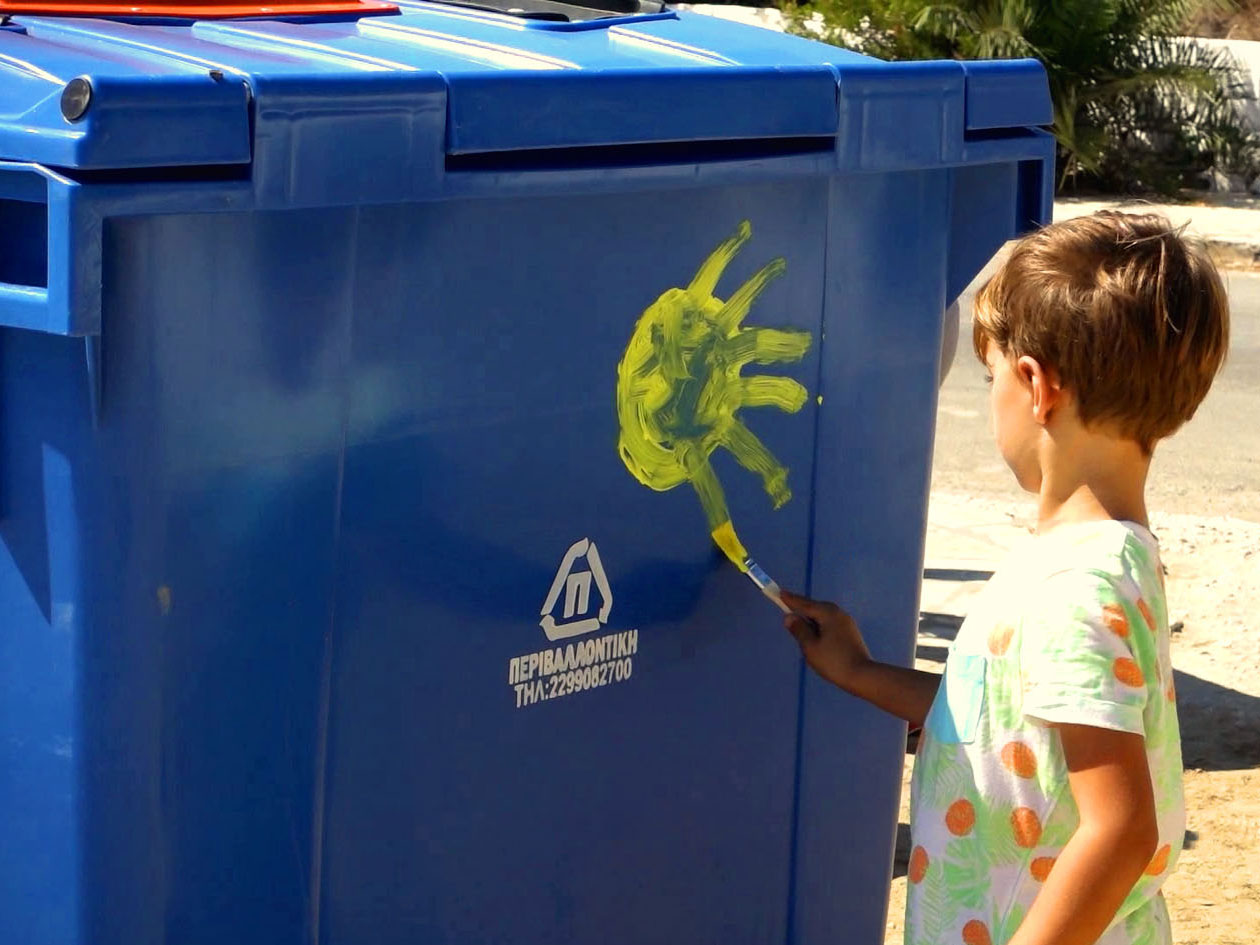
Through experiential workshops organized for kindergarten children and students in the early grades of primary school, children learn – through play, discussion and hands-on activities – what waste is, how it ends up in the sea, and its impact on marine life. At the same time, students become familiar with simple everyday environmental protection practices and understand that even small changes in their behavior can have a meaningful impact. The educational process is based on learning through experience and employs methods such as storytelling, role-playing, movement, sensory exploration and creative expression, resulting in the enhancement of cooperation, emotional expression and the development of a positive relationship between children and the natural environment.

to top
0
0
Your Cart
Your cart is emptyBack to Shop
Privacy Overview

This website uses cookies so that we can provide you with the best user experience possible. Cookie information is stored in your browser and performs functions such as recognising you when you return to our website and helping our team to understand which sections of the website you find most interesting and useful.