


Research activities
Research activities are a key pillar for our organization since they provide us with important data on both the source and the impact of marine pollution. Such data reinforce our efforts so as to develop evidence-based proposals at local and national level.
Data collection
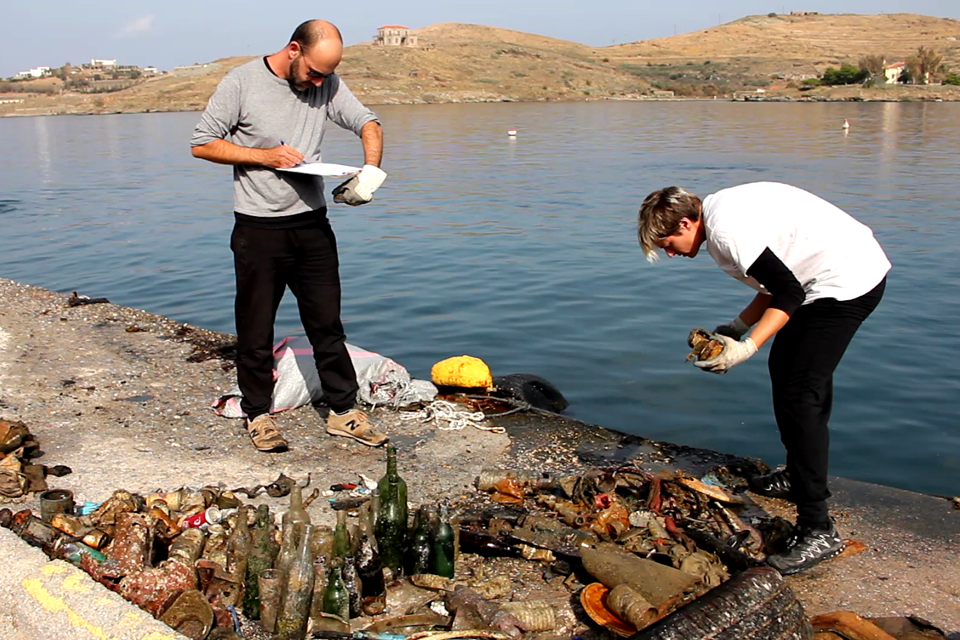
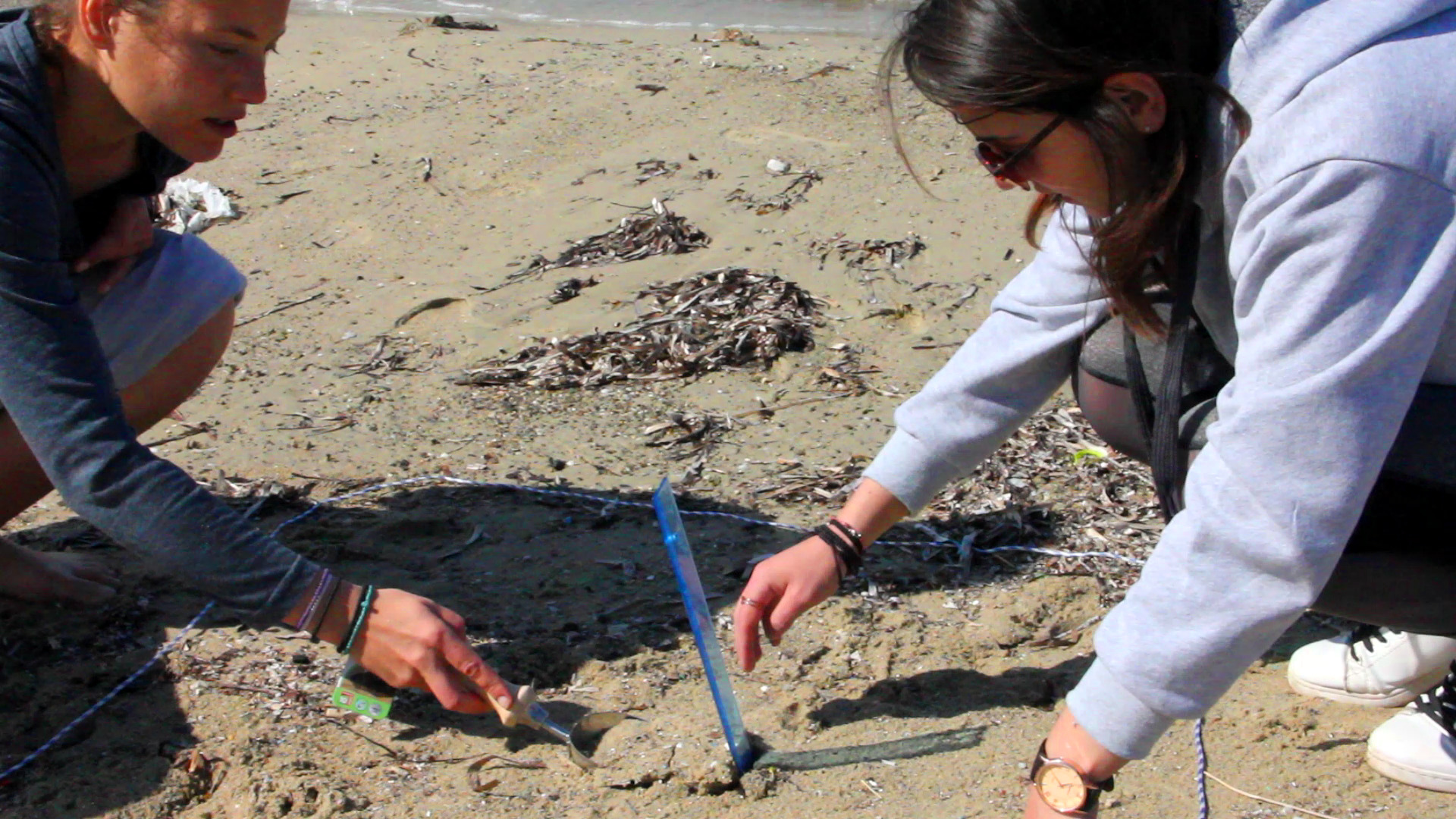
Data collection is of great significance as it provides important information on the magnitude and various aspects of the marine pollution issue at the local level. Given that long-term monitoring of the areas we implement activities is our priority, data gathering allows to monitor not only the evolution of the problem but also needs that arise. To date, Aegean Rebreath has developed a database that includes information the quantities and types of materials collected during the implementation of activities in 40 regions in Greece. Our aim is to further develop our data repository in order to draw broader conclusions on Greek seas and coasts. This is the only way to obtain a clearer picture of the environmental degradation in specific areas. Our organization, based on the data it has collected, is already advancing the use of geographic information systems to give citizens access to relevant information.
Research programmes
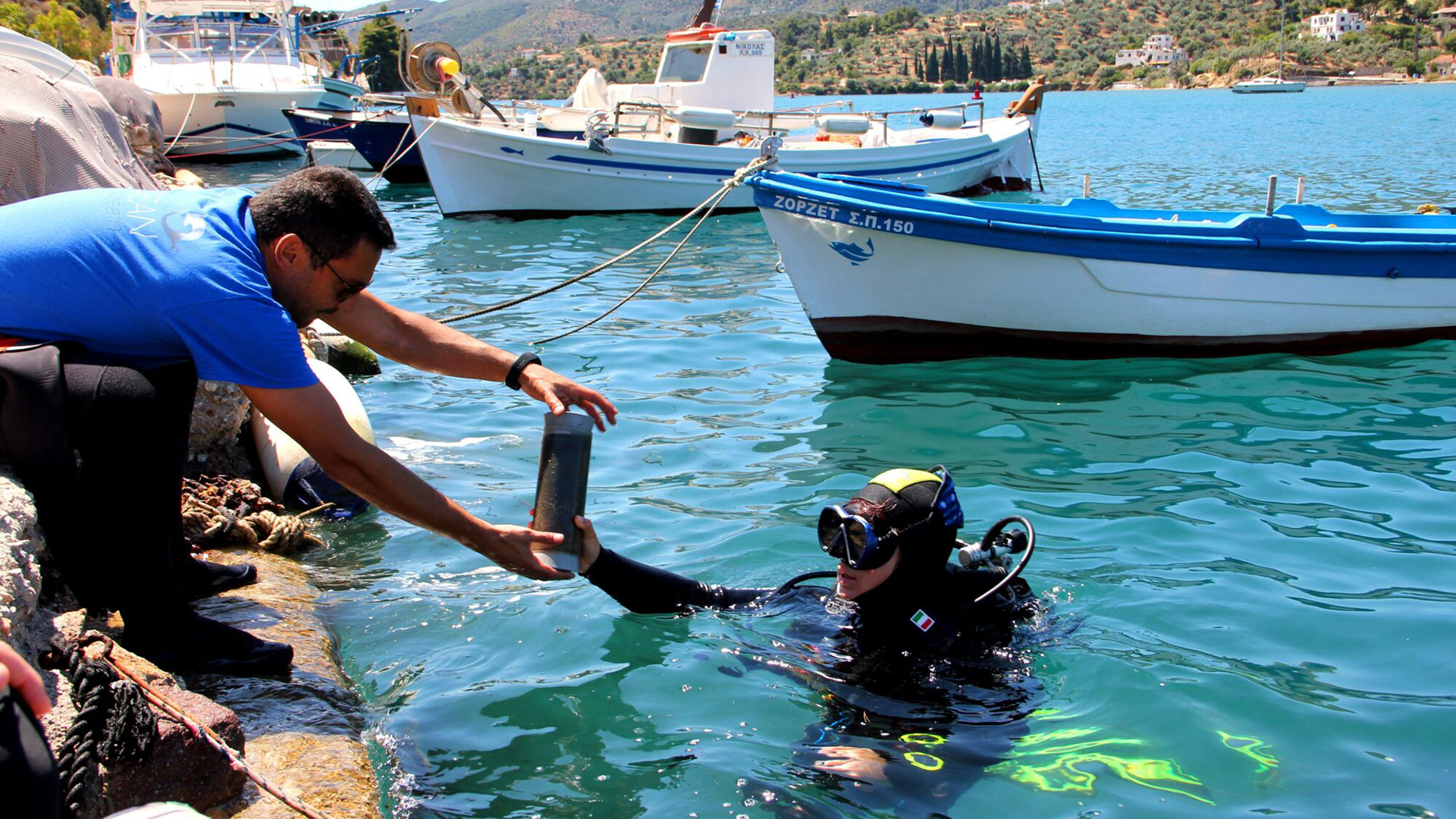
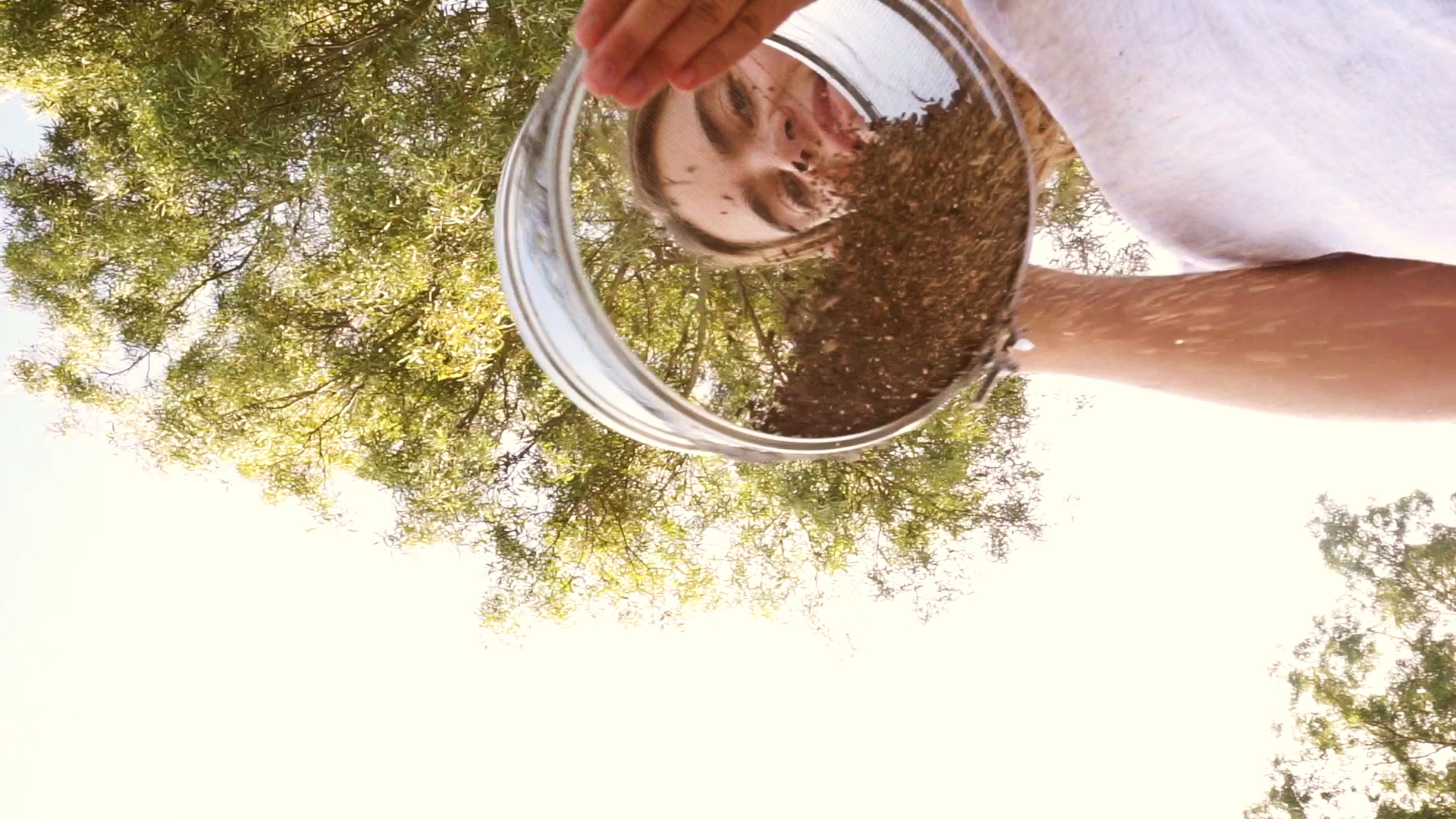
We have begun research on the quality of seawater and the concentration of heavy metals and microplastics in it. We are more than happy cooperating with the Hellenic Centre for Marine Research and the University of West Attica. The main objective of this activity is the creation of a database that will provide additional information on the degree of water pollution in the areas our team operates. At the same time, we aim to start activities for the mapping of posidonia meadows (Posidonia oceanica) and the assessment of conditions needed for the creation of artificial reefs.